 BabyJoy

Cheese for babies
When and how to serve cheese at every stage of starting solids.
- Introduce from
- 6–9 months
How to prepare cheese by age
6–9 months
Thin slices, shredded, or melted on foods.
9–12 months
Can offer small cubes of soft cheese.
12 months+
Various forms as tolerated.
Choking hazard
Cheese can be a choking hazard for babies and young children. Prepare it exactly as described for your baby’s age, seat your baby upright and always supervise meals.
Gagging (loud coughing, watery eyes, a red face) is a normal part of learning to eat. Choking is silent: your baby cannot cough, cry or breathe and needs immediate help. Learn infant CPR and choking rescue.
Common allergen
Contains cow's milk (dairy) , one of the 9 common food allergens.
Contains dairy - common allergen.
First time with cow's milk (dairy): Offer dairy in food, such as full-fat plain yogurt or cheese, or milk used in cooking. Cow's milk should not be the main drink before 12 months.
If your baby has severe eczema or a known food allergy, talk to your pediatrician before introducing allergens.
Nutrition highlights
- Calcium rich
- Protein rich
- Vitamin D
Serving ideas
- Melted on toast
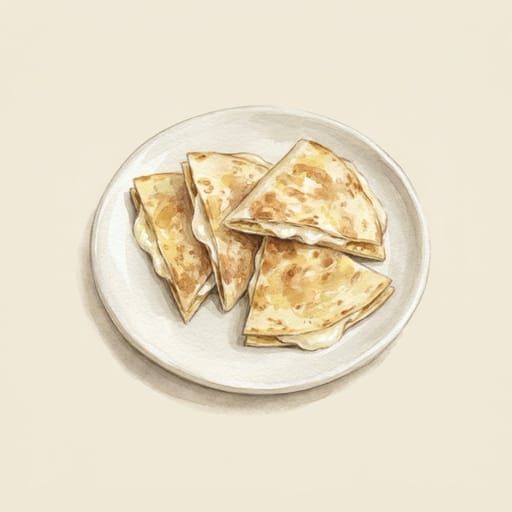
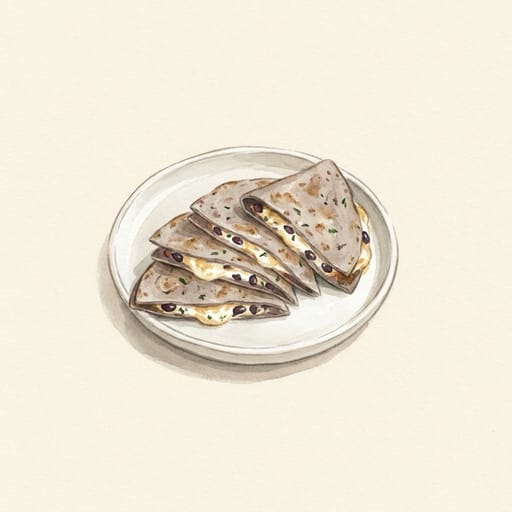
- Cheese quesadilla
- String cheese
- Mixed in eggs
Prepare these as described above for your baby’s age.
Choosing and storing
Storage: Refrigerate. Use within 1-2 weeks of opening.
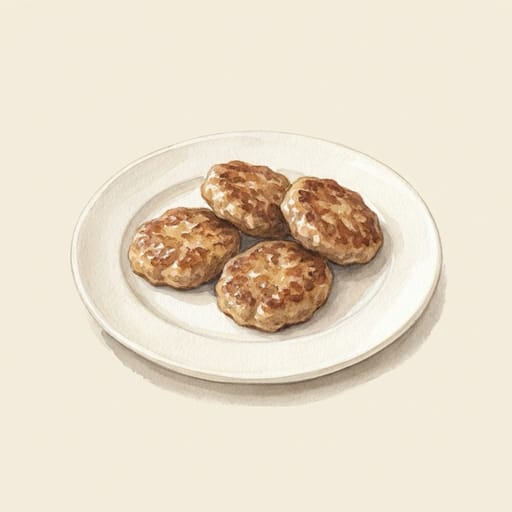
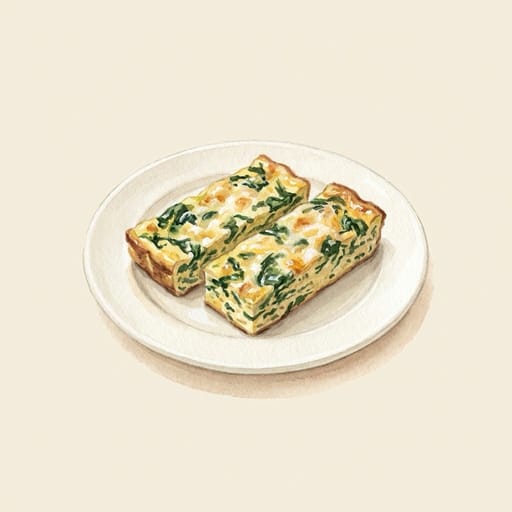
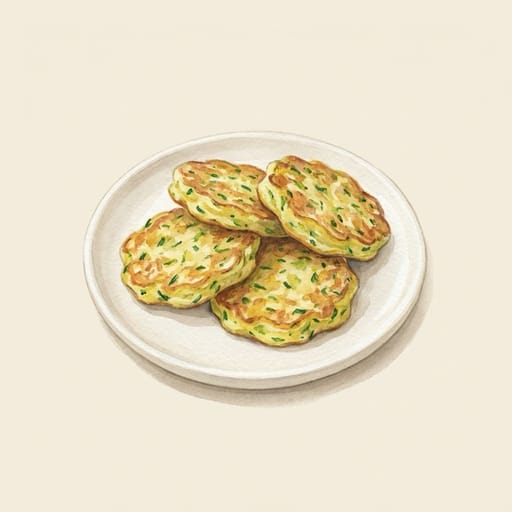
Recipes with cheese


Sources
This guide is based on published guidance from: