 BabyJoy

Carrot for babies
When and how to serve carrot at every stage of starting solids.
- Introduce from
- 6–9 months
- Safety notes
- Common choking hazard
How to prepare carrot by age
6–9 months
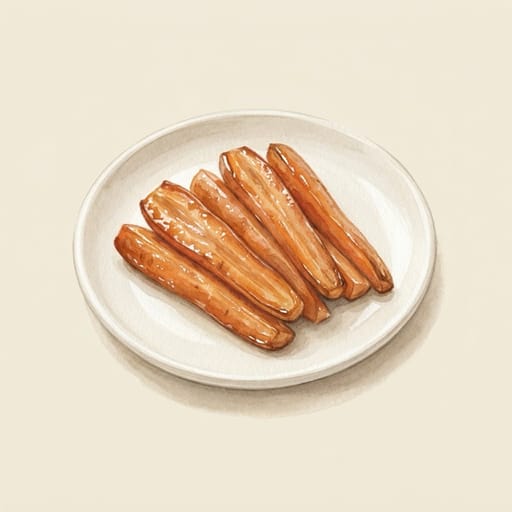
Steam or roast until very soft. Cut into stick shapes.
9–12 months
Once cooked soft, cut into thin sticks or small flattened pieces — never round coins, which are a choking hazard. Continue cooking until tender.
12 months+
Can serve slightly firmer. Raw carrot is still a choking hazard.
Choking hazard
Carrot can be a choking hazard for babies and young children. Prepare it exactly as described for your baby’s age, seat your baby upright and always supervise meals.
Gagging (loud coughing, watery eyes, a red face) is a normal part of learning to eat. Choking is silent: your baby cannot cough, cry or breathe and needs immediate help. Learn infant CPR and choking rescue.
Nutrition highlights
- Vitamin A
- High fiber
- Antioxidants
Serving ideas
- Roasted sticks
- Carrot muffins
- Mixed in soup
- Carrot hummus
Prepare these as described above for your baby’s age.
Choosing and storing
Storage: Store in refrigerator crisper for up to 3 weeks.
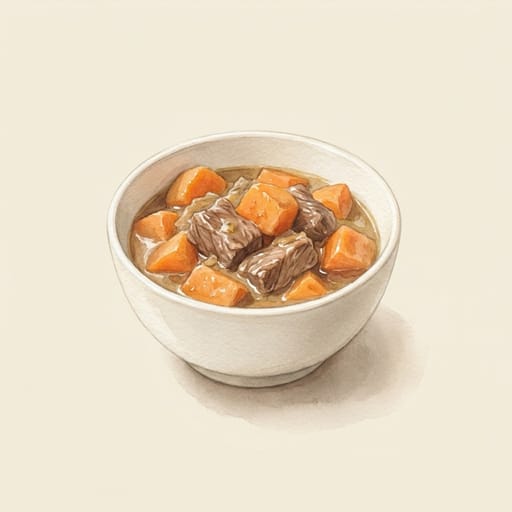
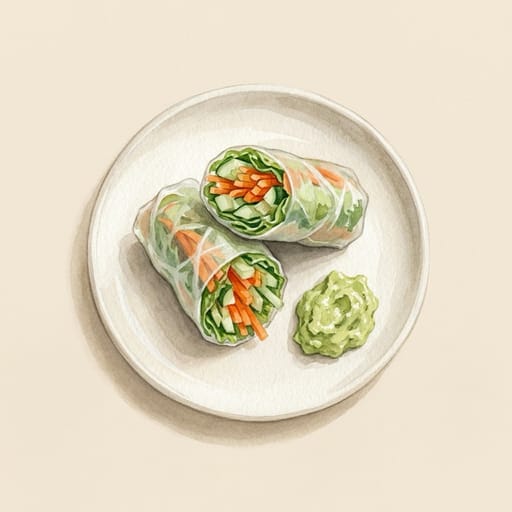
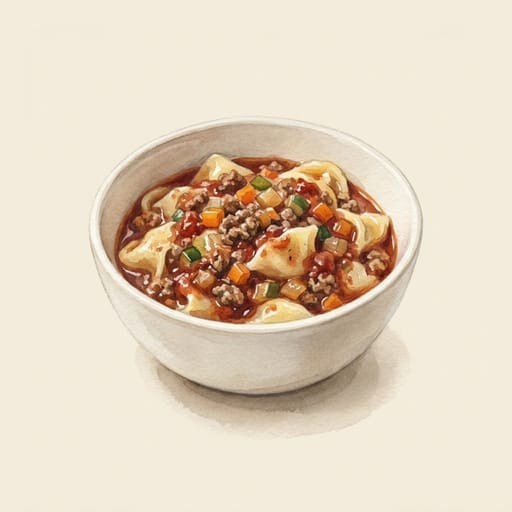
Recipes with carrot



Sources
This guide is based on published guidance from: