 BabyJoy

Unsalted Butter for babies
When and how to serve unsalted Butter at every stage of starting solids.
- Introduce from
- 6–9 months
- Safety notes
- Common allergen: Cow's milk (dairy)
How to prepare unsalted Butter by age
6–9 months
Choose butter labelled 'unsalted'. Melt a small knob into mashed vegetables, porridge or scrambled egg, or use a little to cook soft pancakes and fritters.
9–12 months
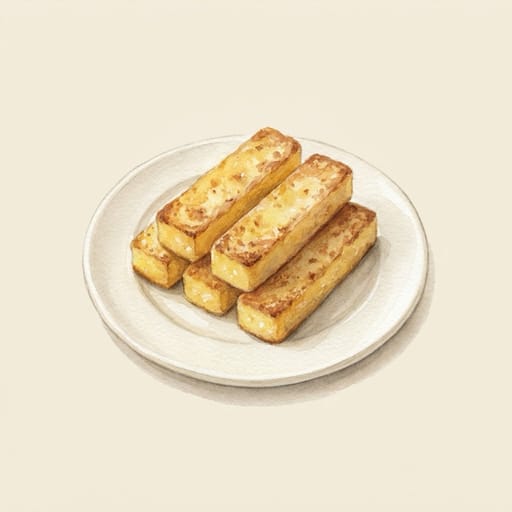
Unsalted only. Scrape thinly onto toast fingers or melt into cooked vegetables, pasta and pancakes.
12 months+
Unsalted is still the best everyday choice. Use small amounts in cooking and spreads, alongside other fats such as olive oil.
Common allergen
Contains cow's milk (dairy) , one of the 9 common food allergens.
Contains milk protein. If baby has a milk allergy, leave butter out and use a plant oil instead.
First time with cow's milk (dairy): Offer dairy in food, such as full-fat plain yogurt or cheese, or milk used in cooking. Cow's milk should not be the main drink before 12 months.
If your baby has severe eczema or a known food allergy, talk to your pediatrician before introducing allergens.
Nutrition highlights
- Vitamin A
- Healthy fats
Serving ideas
- Melted into mashed sweet potato
- A little for cooking scrambled egg
- Scraped thinly on toast fingers
Prepare these as described above for your baby’s age.
Choosing and storing
Storage: Refrigerate, well wrapped. Freeze for longer storage.
Recipes with unsalted Butter


Sources
This guide is based on published guidance from: