 BabyJoy

Peas for babies
When and how to serve peas at every stage of starting solids.
- Introduce from
- 6–9 months
- Safety notes
- Common choking hazard
How to prepare peas by age
6–9 months
Cook until very soft, then smash or mash flat — small round whole peas are best avoided at this age. Mash into potato or spread on toast fingers.
9–12 months
Soft-cooked whole peas are good pincer-grasp practice; lightly squash them if baby is still learning to chew.
12 months+
Serve whole and cooked in rice, pasta, soups and fritters.
Choking hazard
Peas can be a choking hazard for babies and young children. Prepare it exactly as described for your baby’s age, seat your baby upright and always supervise meals.
Gagging (loud coughing, watery eyes, a red face) is a normal part of learning to eat. Choking is silent: your baby cannot cough, cry or breathe and needs immediate help. Learn infant CPR and choking rescue.
Nutrition highlights
- Protein rich
- High fiber
- Vitamin C
- Vitamin K
- Folate rich
Serving ideas
- Smashed peas on toast fingers
- Pea and mint mash
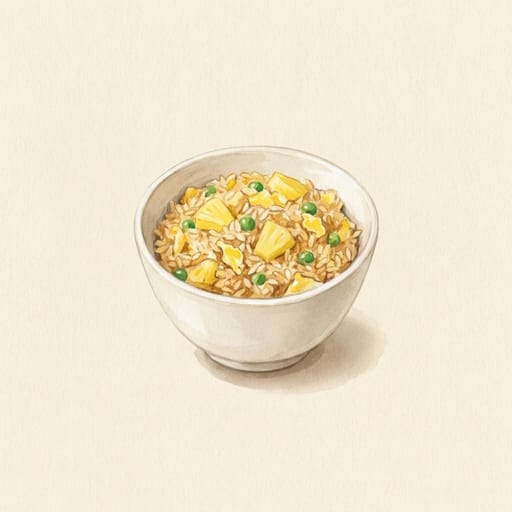
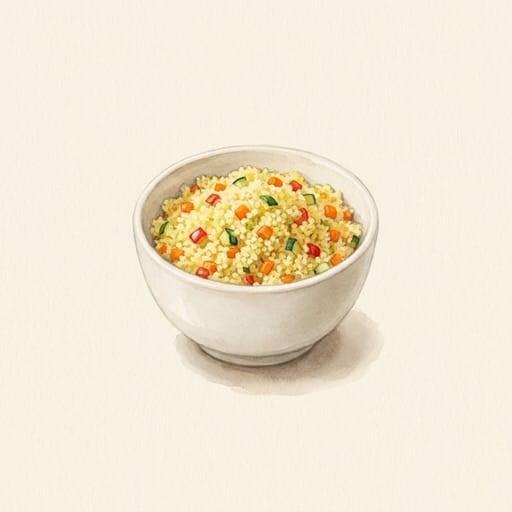
- Mixed into rice or couscous
Prepare these as described above for your baby’s age.
Choosing and storing
Storage: Frozen peas keep for months in the freezer. Cooked peas: refrigerate and use within 3 days.
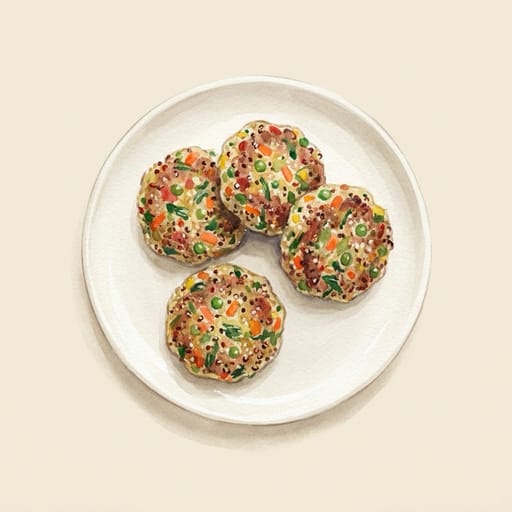
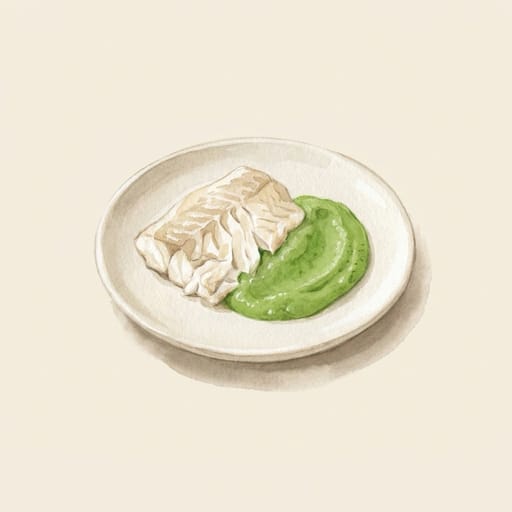
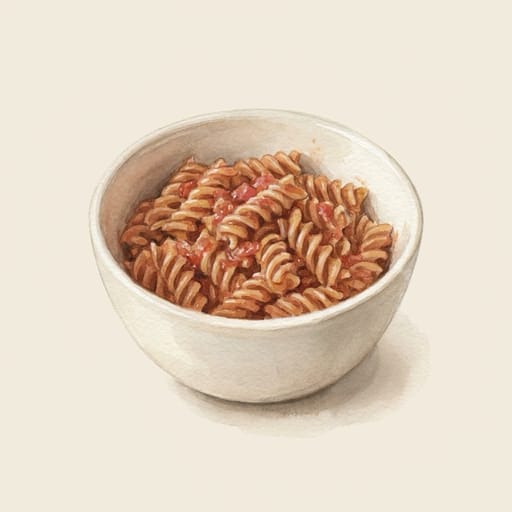
Recipes with peas


Sources
This guide is based on published guidance from: